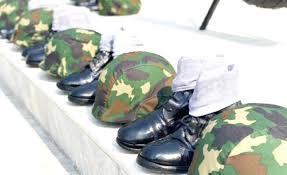
Every year, Armed Forces Remembrance Day invites us to pause, not out of routine, but out of responsibility. It is a solemn moment carved into our national conscience, calling us to remember men and women who answered the ultimate call of duty and paid the highest price so that our nation might stand, endure, and hope.
Across Nigeria, wreaths are laid, trumpets sound the Last Post, and flags fly at half-mast. Yet beyond the symbolism lies a deeper truth: remembrance is not merely ceremonial; it is moral. It is an acknowledgement that the freedoms we enjoy, however imperfect, were purchased with blood, sacrifice, and lives cut short in service to something greater than self.
Our fallen soldiers were sons and daughters, husbands and wives, fathers and mothers. They were young men with dreams yet to be fulfilled and seasoned officers whose wisdom anchored their units. Some fell on distant peacekeeping missions, others on Nigerian soil battling insurgency, terrorism, and instability. What unites them is courage, the quiet resolve to step forward when others stepped back, to stand firm in the face of danger so we could sleep in relative peace.
In recent years, the burden carried by Nigeria’s armed forces has grown heavier. From counter-insurgency operations in the North-East to internal security challenges across the country, the uniform has become a constant target. Too often, we reduce these sacrifices to statistics: numbers of casualties, operations launched, territories reclaimed. Armed Forces Remembrance Day reminds us that behind every number is a name, a story, and a family forever changed.
Remembrance must also compel reflection. Honouring the fallen demands more than speeches and parades; it demands accountability and care for the living. It asks hard questions about how we support serving personnel, how we equip them, and how we care for wounded veterans and bereaved families left behind. A grateful nation is not one that only remembers the dead, but one that stands by the living.
For the families of fallen soldiers, remembrance is not annual; it is daily. Empty chairs at dinner tables, unanswered phone calls, birthdays marked by silence. As a nation, we owe them more than condolences. We owe them dignity, sustained support, and a commitment that their loved ones did not die in vain.
Armed Forces Remembrance Day should also inspire unity. At a time when division often defines public discourse, the armed forces remain one of the few institutions bound by shared purpose beyond ethnicity, religion, or politics. In death, as in service, our fallen soldiers remind us of a higher patriotism one rooted in collective destiny rather than narrow interests.
“Gone but not forgotten” must never be a hollow phrase. It should be a living promise: that we will tell their stories, defend the values they stood for, and work tirelessly to build a country worthy of their sacrifice. Remembrance is not about glorifying war; it is about honouring peace earned at a terrible cost.
As the bugle fades and wreaths rest gently on memorials, let us remember this: nations endure not only by strength of arms, but by strength of memory. Today, we remember our fallen heroes not just with bowed heads, but with renewed resolve to protect the ideals for which they gave everything.