A fake medicine does not announce itself before failing a patient. A counterfeit brake pad does not warn a driver before giving way on a busy highway. A substandard electrical cable does not send an alert before sparking a fire. Yet, across Nigeria, products capable of causing such tragedies still find their way into shops, markets, pharmacies and online marketplaces.
This is the deadly reality of counterfeiting in Nigeria: the packaging may be familiar, the brand name convincing and the price attractive, but the consequences can be devastating.
People often discuss counterfeit products as a problem of intellectual property, lost revenue and unfair competition. Those concerns are legitimate, but they barely scratch the surface. When fake medicines compromise treatment, adulterated food threatens public health or substandard vehicle components fail, counterfeiting becomes a matter of life and death.
Nigeria must therefore stop treating counterfeit products as an ordinary market nuisance. They constitute a serious threat to public safety, consumer confidence and economic development.
The battle against counterfeit goods is, ultimately, a battle to protect Nigerian lives.
The dangerous marketplace of deception
Nigeria’s vast informal economy, porous borders, complex distribution networks and uneven enforcement create opportunities for counterfeiters to thrive. From open markets and roadside shops to digital platforms, unsuspecting consumers may encounter products that imitate trusted brands but fail to meet basic safety and quality standards.
The danger is particularly acute in the pharmaceutical sector. A falsified medicine may contain no active ingredient, the wrong substance or an insufficient dosage. For someone seeking treatment for malaria, an infection or another serious illness, taking such a product can delay appropriate care, worsen the condition, and potentially result in death. Substandard antimicrobial medicines can also contribute to antimicrobial resistance, making infections harder to treat.
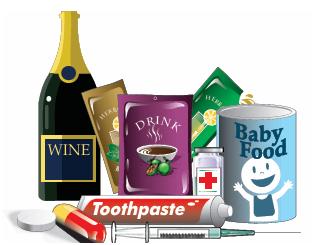
The risks extend beyond medicines. Counterfeit vehicle spare parts can compromise road safety. Substandard electrical cables and components can increase the risk of fires. Adulterated food and beverages can expose consumers to harmful contaminants, while fake cosmetics may cause skin injuries and other health complications.
The tragedy is that consumers often cannot distinguish genuine products from sophisticated imitations simply by examining their packaging.
For low-income households, the situation is even more complicated. With purchasing power under pressure, a product offered at a significantly lower price can appear irresistible. Yet, what seems like a bargain may carry hidden costs that no family should have to bear.
Poverty must never become a gateway through which dangerous products gain access to Nigerian homes.
Enforcement must go beyond raids
Nigeria has institutions mandated to protect consumers and uphold product standards. The National Agency for Food and Drug Administration and Control (NAFDAC), the Standards Organisation of Nigeria (SON), the Nigeria Customs Service and the Federal Competition and Consumer Protection Commission (FCCPC) all have roles to play in confronting this menace.
The challenge is not simply the absence of regulation; it is ensuring that regulation delivers lasting results.
Raiding warehouses, confiscating fake products and destroying seized goods are necessary interventions. However, enforcement cannot end with press photographs of seized merchandise. Authorities must identify the financiers, manufacturers, importers and distributors behind these operations and ensure that offenders face prosecution.
Investigations should follow the money and expose the networks that enable counterfeit products to circulate. Courts must process cases efficiently, while penalties should reflect the seriousness of the offences and the harm inflicted on consumers.
The government must also strengthen coordination among regulatory agencies, improve intelligence-sharing and invest in border surveillance and product testing. Without these measures, counterfeiters can simply relocate, change their packaging and return to business.
Nigeria needs to dismantle the counterfeit business model, not merely confiscate its products.
Technology and consumers must join the fight
Technology offers opportunities to make counterfeiting more difficult. Manufacturers should adopt product authentication systems, traceable batch numbers, tamper-evident packaging and digital verification tools that allow consumers to confirm authenticity.
Regulators must expand public education, particularly on identifying suspicious products and reporting suspected counterfeiting. Online marketplaces should strengthen seller verification and remove dangerous goods promptly when credible evidence emerges.
Consumers also have a responsibility to exercise caution. Medicines should be purchased from legitimate, licensed outlets, while suspiciously cheap products deserve closer scrutiny. Where verification systems are available, buyers should use them.
But responsibility cannot be transferred entirely to consumers. It is unreasonable to expect an ordinary Nigerian to possess the technical knowledge required to distinguish a sophisticated counterfeit from a genuine product. Manufacturers and regulators must make verification accessible, while the state must ensure that unsafe goods are detected before they reach the public.
Government should equally support legitimate local manufacturers, improve access to affordable essential products and address the economic conditions that make counterfeit alternatives attractive.
A fight Nigeria cannot afford to lose
The media, professional associations, market unions and civil society must sustain public awareness and demand accountability. Regulatory agencies should regularly publish transparent reports on seizures, prosecutions, convictions and repeat offenders. Nigerians deserve to know whether enforcement is reducing the availability of dangerous products.
Ultimately, the success of this campaign should not be measured by the number of raids conducted or the monetary value of confiscated goods. It should be measured by safer markets, stronger consumer confidence, fewer preventable injuries and lives protected.
Nigeria cannot build a competitive economy by allowing criminals to profit from deception. Neither can it protect public health while dangerous products move freely through its markets.
The choice is clear: strengthen enforcement, dismantle counterfeit networks, empower consumers and protect legitimate businesses or continue allowing the consequences to unfold in hospitals, homes, workshops and on our roads.
Fake goods may generate real profits for their perpetrators, but their victims pay a far greater price. Nigeria must win the battle against counterfeiting before more innocent lives become its casualties.
John Kokome
A Communications Strategist and Public Affairs Analyst writes from Lagos
kokomejohn@yahoo.com
Top of Form
Bottom of Form